ESG Supply Chain
Supply Chain Traceability: The Foundation
Jan 5, 2026
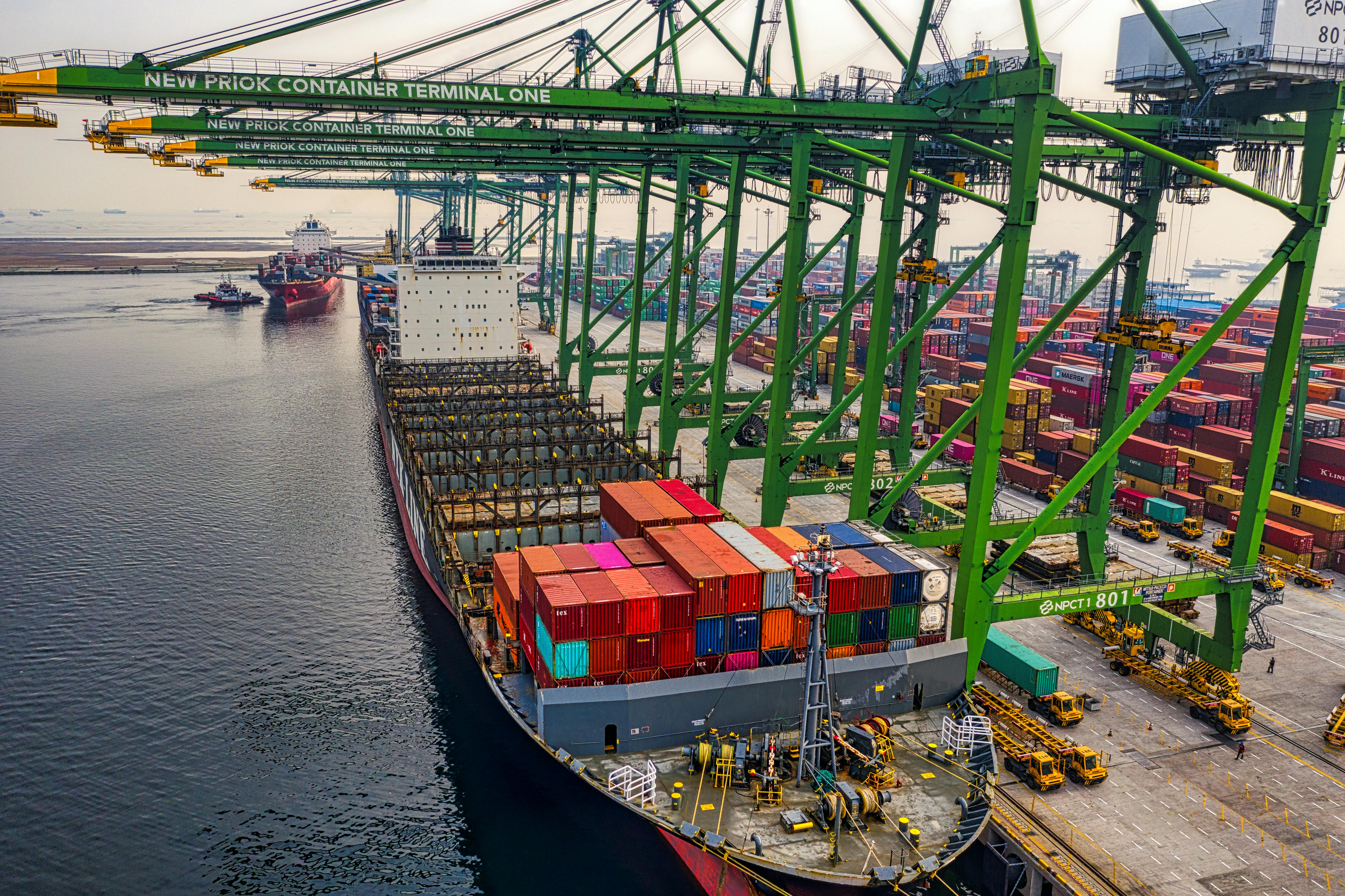
Global supply chains are more fragmented, complex, and scrutinized than ever. Recent scandals – from contaminated food to labor abuses – have put immense pressure on companies to prove every link in their supply networks is safe, ethical, and green. In response, businesses are building digital traceability from source to shelf. Firms now track “who handled [goods] at each stage…under what conditions…when they were moved…where the materials originated, and how they were processed.” This end-to-end visibility has become a business imperative – not just for efficiency, but as the cornerstone of sustainability and trust. In fact, the World Economic Forum emphasizes that stakeholders (customers, investors, regulators) now “demand sustainability throughout the supply chain,” and companies must invest in digital traceability to achieve circular, responsible operations.
What Is Supply Chain Traceability?
At its core, supply chain traceability means tracking every product component from raw material to finished good. It “answers the who, what, when, where, and how” of each item. For example, it records who handled a part at each stage, under what conditions (e.g. temperature, compliance), when each transfer occurred, where the inputs came from, and how they were processed. This granular visibility creates a “digital passport” for products, ensuring their authenticity and compliance. As OpenText notes, such visibility “ensures authenticity, compliance, and trust” in the supply network.
In practice, companies achieve this by assigning unique digital IDs (barcodes, RFID, QR codes) to products and logging every transaction in a secure system. By continuously capturing data at each step (production, inspection, shipping, receiving) and integrating it into a shared platform, organizations maintain real-time dashboards of where goods are and how they’re handled. In short, traceability transforms opaque supply chains into transparent, auditable flows.
Why Traceability Matters for Sustainability
Traceability isn’t just a nice feature – it’s a foundation for resilient, sustainable supply chains. Modern supply chains are global and vulnerable to disruption, so tracking products end-to-end has become “a business imperative” for resilience, compliance and trust. The key benefits include:
Regulatory compliance: Digital traceability helps companies meet evolving laws such as the EU Digital Product Passport, the U.S. FDA’s FSMA 204 rule, and the EU Deforestation Regulation.
Risk management: When a quality failure or safety incident occurs, traceability lets firms “quickly identify and respond” by isolating affected batches without halting entire production lines.
Brand protection: End-to-end visibility combats counterfeiting and unauthorized resale. Verified digital records make it much harder for fake or diverted goods to enter the market.
Operational resilience: By spotting inefficiencies and disruptions (e.g. bottlenecks or delays) in real time, companies can reroute or remediate processes faster.
Consumer trust: Transparency about product origins resonates with customers and investors. Traceability lets brands show consumers how goods were made and how operations impact people and the planet.
Together, these capabilities align with growing stakeholder demands. In fact, traceability now underpins Environmental, Social and Governance (ESG) objectives: executives rank “enabling ESG tracking through supply chain traceability” as a top strategic investment. Simply put, sustainability is not optional – it’s now “the cost of entry” for businesses, and traceability is the key to delivering on that promise.
Technologies Driving Traceability
Modern traceability relies on advanced technologies:
Internet of Things (IoT) and sensors: Connected devices (RFID tags, smart labels, environmental sensors) enable real-time data capture across the chain. According to IoT Analytics, 72% of companies had adopted at least one IoT project by 2021. These sensors provide end-to-end visibility to detect issues proactively. For example, IoT can monitor temperature, humidity or shock on products; if an issue is detected, defective items are flagged early and removed, dramatically cutting waste. IoT also optimizes logistics: by tracking vehicles and routes, companies can plan shorter, greener shipping paths (transport accounts for roughly 17% of global greenhouse emissions). In short, IoT-based traceability helps firms identify roadblocks to sustainability and implement efficient solutions.
Blockchain and distributed ledgers: Blockchain provides a shared, tamper-evident record of every transaction. Because each actor in the network can verify the chain of custody, blockchain “enhances trust” and assures data integrity. Deloitte notes that blockchain and other digital ledgers enable companies to “master their supply chains” by improving transparency, traceability and risk management. For example, companies in resource-intensive industries are using blockchain to validate and reduce Scope 3 emissions by accurately tracing raw material provenance. Importantly, blockchain solutions can layer on top of existing ERP systems (without replacing them) to add visibility and security.
Data integration and analytics: Centralized platforms consolidate supplier, production and logistics data so companies have “a single source of truth”. Advanced analytics and AI can then surface hidden patterns or risks. For example, dashboarding tools provide real-time “digital threads” that follow a product through its lifecycle, enabling predictive alerts for issues. Over time, machine learning can suggest optimization opportunities (like which sustainable inputs to source or where to recycle waste). In practice, traceability platforms tie together ERP, supplier portals, and data lakes to make the supply chain visible and auditable across all tiers.
By leveraging these technologies together, businesses build the robust traceability needed for sustainable supply chains. As one IT analysis notes, blockchain combined with IoT and analytics “strengthens global supply chains” by unlocking visibility and ensuring data authenticity.
Benefits of Traceability for Sustainable Supply Chains
Traceability directly advances sustainability goals while boosting performance. Some key benefits include:
Environmental impact tracking: With full visibility, companies can monitor natural resource usage and emissions across suppliers. For instance, a manufacturer can trace how much water or deforestation is embedded in each commodity and prioritize greener sourcing. IoT-enabled traceability also reduces waste: by flagging quality issues early, firms avoid producing excess scrap. In logistics, smarter routing cuts fuel use – addressing the ~17% of GHGs from transport. Ultimately, traceability can quantify Scope 3 emissions (those from suppliers) and drive reductions by making data auditable.
Circular economy and reuse: Digital tracing opens new reuse and recycling models. The World Economic Forum highlights how downstream visibility (the “digital thread” post-sale) enables reverse logistics – for example, taking back products for remanufacturing or recycling. Traceability also enables product authentication: consumers and partners can verify a used or resold product is genuine. This not only builds trust but extends a product’s life, reducing the need for new production. As WEF notes, preventing counterfeits through digital verification has a “massive sustainability benefit,” since fake goods often originate from undisclosed, unethical supply chains.
Social and ethical sourcing: Finally, traceability sheds light on labor and governance practices deep in the chain. Tools that capture supplier data help detect social violations (e.g. modern slavery or unsafe conditions) that no single company could see alone. When all tiers report data, companies can flag and remediate issues before they become crises. In fact, poor visibility today puts trillions of dollars at risk from ESG blind spots. By requiring transparency from suppliers, traceability helps build multi-stakeholder partnerships for ethical supply chains and supports global sustainability standards (such as the UN’s Sustainable Development Goals).
In summary, comprehensive traceability not only protects brands and ensures compliance, but it also operationalizes sustainability. It turns broad ESG ambitions into actionable data: identifying waste, emissions, or labor issues early, and helping companies take targeted action. In the words of industry experts, sustainability – and “the supply chain traceability on which it depends” – is now the “cost of entry” for modern supply chains.
Traceability Implementation Checklist
Building traceability into your supply chain requires planning. The following checklist outlines key elements for success:
Unique product identifiers: Assign digital passports to every item (QR codes, barcodes, RFID tags) at the source. These identifiers will follow the product through production, logistics, and sales.
Data capture at each stage: Equip facilities and transportation nodes with scanners or IoT sensors so that every event (manufacturing step, quality inspection, shipment) is logged against the item’s ID. Ensure critical attributes (timestamps, locations, environmental readings) are recorded.
Centralized data platform: Use a secure digital system or cloud platform to aggregate information from all partners. This unified database (or blockchain network) should integrate with suppliers’ and carriers’ systems. It provides dashboards for real-time tracking and analytics.
Real-time monitoring and alerts: Implement visibility tools that show live location and status of products. Set up alerts for anomalies (e.g. cold-chain breaches, delays). Continuous monitoring helps quickly address issues before they escalate.
Auditing and verification: Periodically audit the recorded data and conduct third-party assessments to verify trace claims. Use the data for compliance reporting and sustainability metrics. Over time, use insights (e.g. top risk suppliers or high-impact materials) to refine sourcing and operations.
Supplier collaboration: Engage all tiers of the network. Train suppliers on the process and use incentives (like preferred contracts or sharing value) to ensure they report accurate data. Transparency is a two-way street – encourage suppliers to adopt digital reporting in line with global ESG standards.
By following these steps, companies create a strong traceability foundation. The result is a supply chain that is transparent, trustworthy, and aligned with sustainability goals. (Stay tuned for our downloadable Supply Chain Traceability Checklist for more detailed guidance.)
Conclusion
Supply chain traceability is no longer optional – it is the foundation for any sustainable business. By tracking products from origin to end-of-life, companies safeguard against risks, comply with regulations, and build consumer trust while driving environmental and social improvements. Leading organizations are leveraging digital technologies to capture full visibility: IoT sensors cut waste and emissions, blockchain ensures tamper-proof records, and integrated platforms turn data into actionable insight. In the current era of consumer and regulatory pressure, firms that master traceability gain a strategic edge. They can assure stakeholders that every part of their supply chain meets high ESG standards and confidently promote their green and ethical credentials.
As the World Economic Forum emphasizes, today “sustainability — and the supply chain traceability on which it depends — is the cost of entry for companies.” In other words, transparent, traceable operations are the first step toward resilient, efficient, and environmentally responsible supply chains. Companies that invest in end-to-end traceability will not only protect their brands and bottom lines but also help create healthier supply chains and a more sustainable world.
What’s the Financial Risk of Poor Traceability?
Even one blind spot in your supply chain can cost you millions — in lost contracts, fines, or reputational damage.
Don’t wait for the audit to find the gap.
Book your free ESG traceability audit
In just 15 minutes, we’ll identify your biggest exposure and give you a clear, custom action plan.
No sales pitch — just insight that protects your contracts.
Book now — it’s fast, free, and could save your revenue.